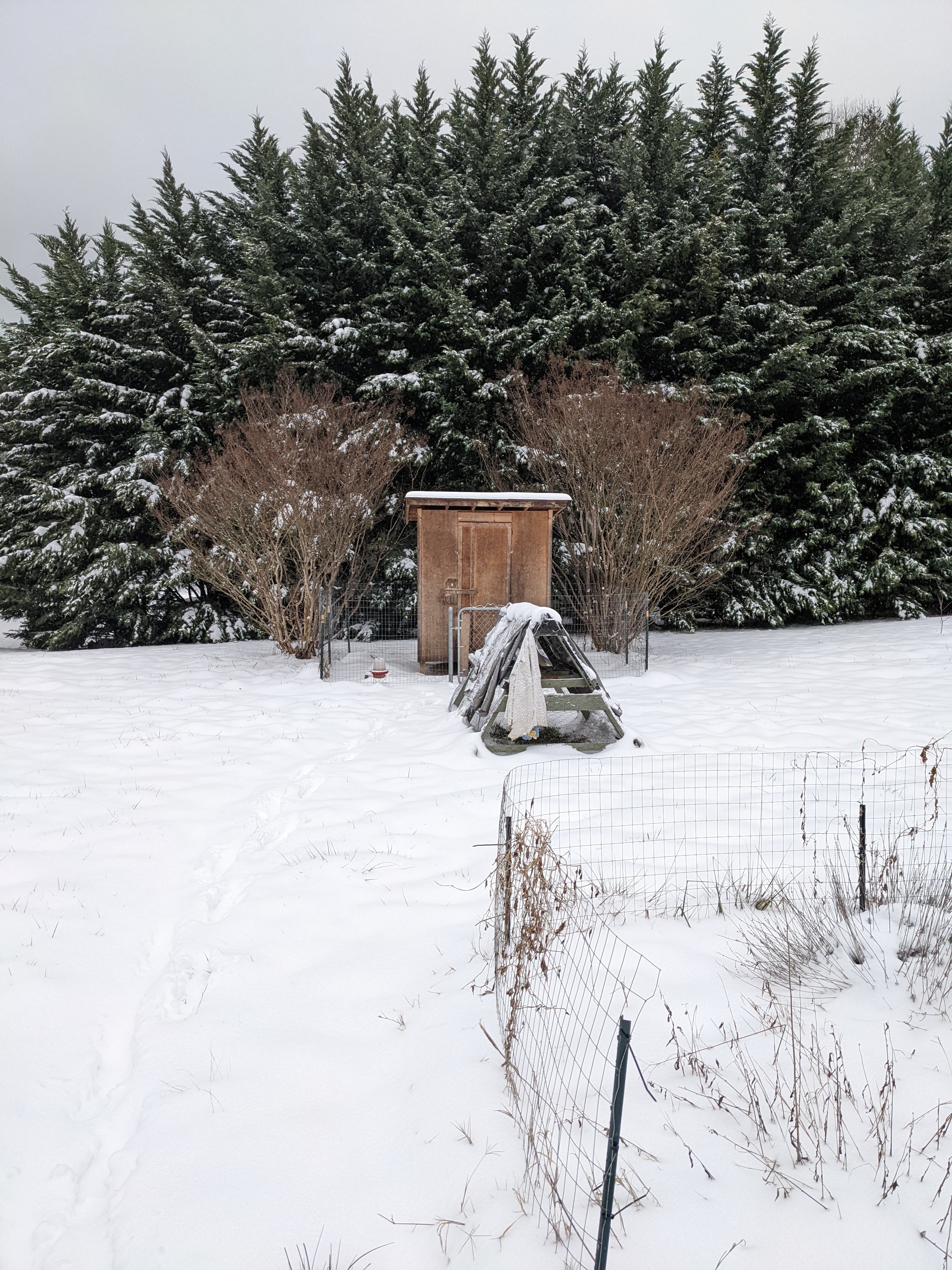
It’s January – time for rest, relaxation, and garden chores!
Did you really think you could get away with doing nothing this month for your plants?
Although January is more lax than other months (looking at you, April and May) for prepping and harvesting crops, it’s still vital to having a successful gardening year. Here’s what you may need to do this month for tastiness all year long.
Garden and Homestead Chores:
- Plan your garden for the upcoming growing season. Decide what you want to plant, and where. Assess your canned food supplies, and what you might want to grow more or less of for preservation in the coming seasons.
- Start any building projects, like frames for garden beds, hoop houses, cold frames, trellises, and indoor grow light setups.
- Look through seed catalogs or on your favorite seed distributor’s website, and order seeds, crowns, and starts.
- Prep your seed starting equipment, if starting seeds: sterilize growing containers, check lights, make sure you have what you need (mats, containers, sterile soil, and lights).
- Mow down winter cover crops before they start to flower and seed.
- Continue to harvest winter crops.
- Make homebrew, preserve winter crops, make orange marmalade, and share with family and friends. Yay!
Plants to Start Indoors This Month
Keep in mind, of course, that we live in Zone 7 (sometimes labeled as Zone 6.5), so if you’re in a different zone, make sure to follow your own local guides.
- Broccoli
- Cauliflower
- Cabbage
- Celery
- Head Lettuce
- Parsley
- Other long-germination perennial herbs and flowers (e.g., lavender, rosemary, etc.)
- Start cold-stratifying seeds that need it.
Stratifying Seeds
What is cold-stratifying, you may be wondering?
Some perennial flowers (especially wildflowers), trees, and other plants need to have a “cold period” to mimic a winter underground for seeds. These plants drop their seeds in the fall, and even though seedlings come up in the spring like many plants, they need protection for months beforehand. Enter a cold dormancy period.
If you buy seeds for these plants, you need to mimic this cold dormancy period in order to make them grow – check labels of your seeds to see if and when you need to stratify them. You can stratify seeds in a number of ways:
- Plant seeds in a pot with shallow soil, label, and place the pot in a zip-top bag with ventilation. Keep the pot in the refrigerator for the period of time specified by the seed label, and keep the soil moistened.
- For extra-small seeds (like lavender), wrap seeds in a moist paper towel, place the towel in a ventilated zip-top bag, label it, and place in the fridge for the specified time, keeping the towel moist.
- Stratify outside in pots. Keep the soil moist, and keep pots out of direct sunlight – you want to make sure the soil stays cold. This is best for areas with consistently cold winters.
Enjoy the Season
Sure, there are chores, but as I mentioned in the beginning, there aren’t as many of them. Take time to enjoy the fruits and vegetables of last year’s labors. Go hiking. Spend time with your friends and family. Relax while it’s still dark in the evenings and watch a movie while the winds blow outside. Mmm, cozy.
What do you do for your garden in the winter? What are your favorite seeds to start? Questions? Leave them in the comments, and as always, happy homesteading!
 The Crunchy Baker